
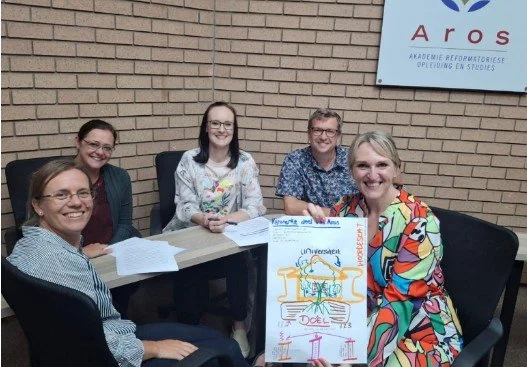
The INCHE Africa 2026 initiative marks a significant step in deepening scholarly engagement across our member institutions through the launch of Reading Circles. This initiative seeks to renew the intellectual life of our institutions by creating intentional spaces where faculty and scholars gather to read, reflect, and engage critically with selected texts emerging from within the INCHE network.
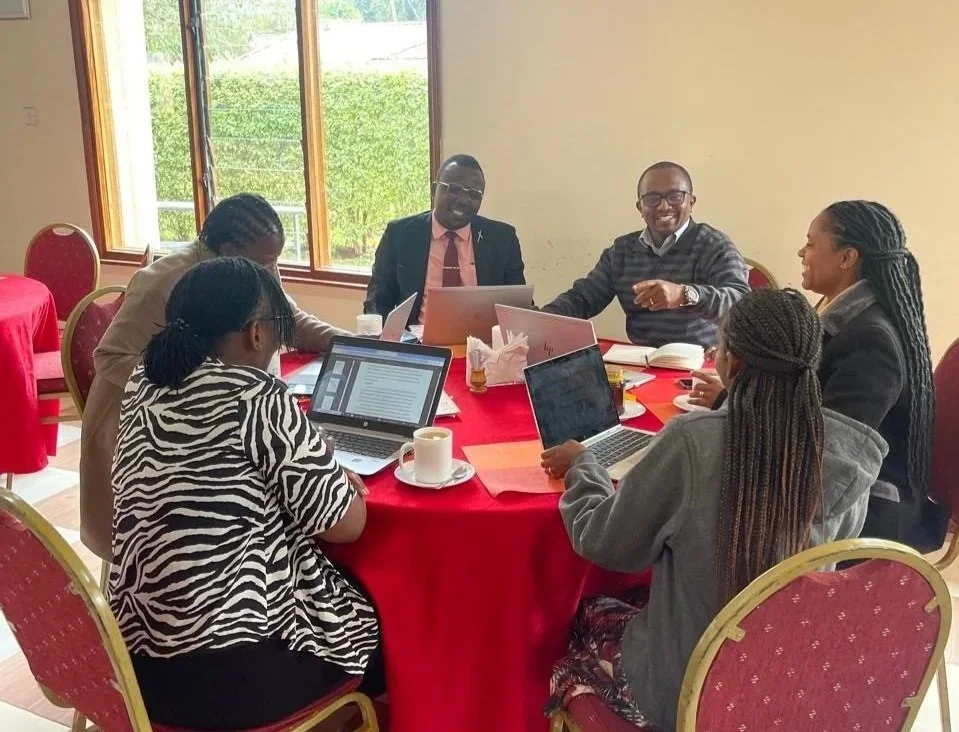
At its core, the Reading Circles initiative embodies a simple yet profound vision: that shared reading fosters shared understanding, and that rigorous dialogue nurtures both academic excellence and faithful witness. By organizing small, institution-based groups, participants are invited into sustained conversations that bridge disciplines, contexts, and traditions, thereby strengthening the fabric of Christian higher education across Africa.
The inaugural phase of this initiative draws on the works of two distinguished scholars. Alfred Mbai’s “Beyond Conversion: Reconciling Faith, Tradition, and Decolonizing Christian Education in Africa,” presented at the INCHE Africa 50th Anniversary Conference in Nairobi (July 2025), challenges institutions to critically re-examine inherited paradigms and to pursue a more contextually rooted and theologically integrated educational vision. Complementing this, Gerald J. Pillay’s keynote address, “Value and Faith in Higher Education: Some Reflections,” delivered at the INCHE Global 50th Anniversary Conference in Beizenmortel, The Netherlands (April 2025), offers a reflective exploration of the moral and spiritual foundations underpinning higher education in a global context.
We are encouraged that, at this early stage, eight institutions across four countries have embraced the initiative. These include Daystar University and St. Paul’s University in Kenya; Vision Bible College and Africa Renewal University in Uganda; Bowen University, Mountain Top University, and Melchisedec Graduate Bible Academy in Nigeria; and AROS in South Africa. Their commitment reflects a shared recognition of the importance of intellectual formation within a community of faith. The hope is that this faculty development initiative will not only enrich academic discourse within individual institutions but also cultivate meaningful connections across Africa and the wider global INCHE community.
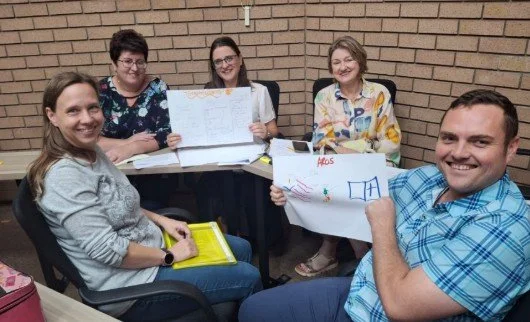
As we give thanks to God for sustaining INCHE Africa, we look forward with anticipation to the growth of these Reading Circles as spaces of thoughtful engagement, scholarly renewal, and faithful inquiry—models that may inspire similar movements across our global network.
Steven Nduto
Regional Coordinator
INCHE Africa